
Key Takeaways
- Milk Yield Protection: Flies cause immense stress to cows, potentially dropping milk yields by up to 40%.
- Organic Defense: Using a specialized dairy farm fly trap is safer and more effective than toxic chemical sprays.
- Strategic Placement: Proper positioning near calf pens and manure management areas drastically reduces the fly population.
- Cost-Effective: Disposable organic traps save money on veterinary bills by preventing fly-borne diseases like mastitis.
The True Cost of Flies on Your Dairy Farm
For dairy farmers in India, the battle against flies is relentless. Flies are not just a nuisance; they are a severe economic threat. When cattle are constantly stomping, swishing their tails, and bunching together to avoid biting flies, their grazing and resting time is severely compromised.
Research from agricultural extensions indicates that heavy fly infestations cause significant stress. In fact, if not managed properly, you might be shocked to learn how flies in your dairy farm are secretly stealing 40% of your milk yield. Furthermore, flies transmit diseases such as pinkeye and mastitis, leading to increased veterinary costs.
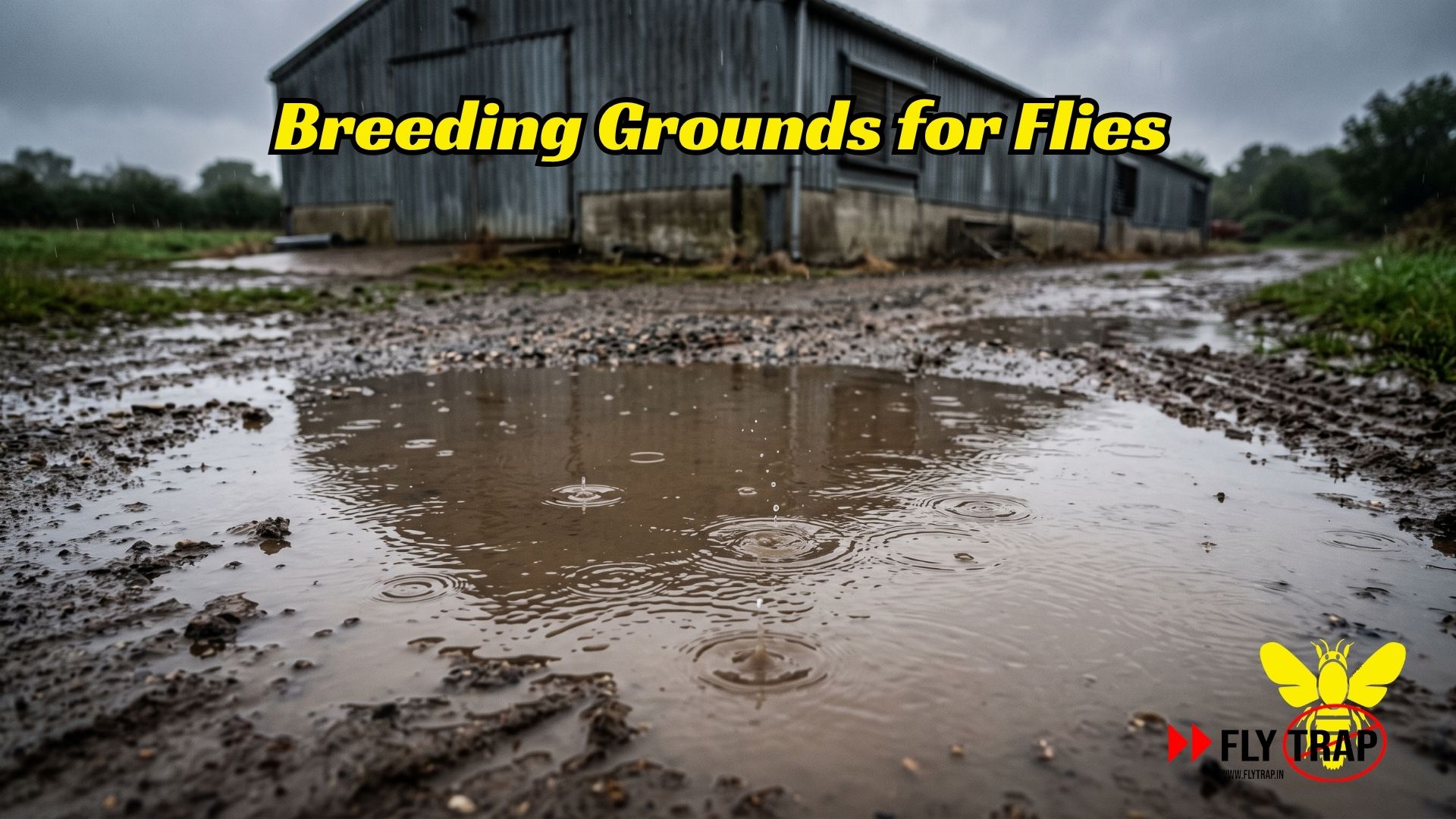
Why Chemical Sprays Are No Longer the Answer
Historically, farmers have relied on chemical pesticides to control fly populations. However, flies quickly develop resistance, rendering these chemicals ineffective over time. Additionally, chemical sprays pose significant health risks to the cattle, the workers, and can even contaminate the milk. The World Health Organization warns against pesticide residues in food, making organic alternatives a necessity for modern dairy farming.
What Makes the Best Dairy Farm Fly Trap?
To establish a bio-secure environment, switching to a high-capacity, organic dairy farm fly trap is essential. These traps use natural, food-based attractants that lure flies in, where they eventually drown.
For a detailed breakdown of specialized solutions, read more about the ideal Fly Trap for the Dairy Sector.
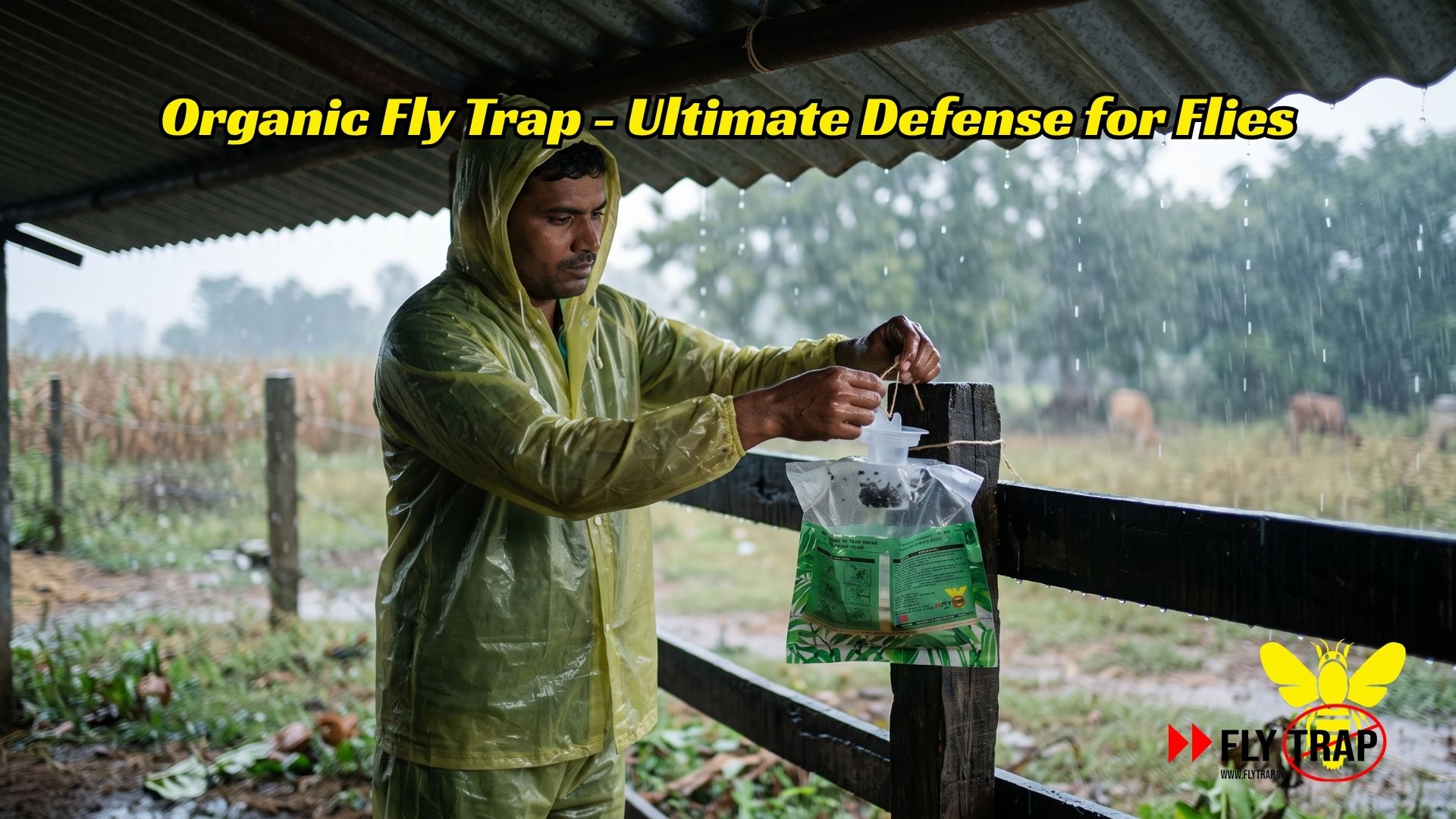
Key Features to Look For:
- Non-Toxic Bait: Ensures safety around milking parlors and feed troughs.
- High Capacity: Dairy farms attract thousands of flies; your trap must be able to hold them.
- Weather Resistance: Must withstand the harsh Indian summers and heavy monsoons.
If you are looking to secure your farm immediately, we highly recommend checking out our top-rated Fly Traps for Dairy Farm.
Strategic Placement for Maximum Catch
Even the best trap will fail if placed incorrectly. According to dairy extension best practices, traps should be placed at the perimeter of the farm, away from the actual cattle, to draw the flies away from the herd. Focus on key breeding areas like calf hutches, manure pits, and feed storage areas.
Frequently Asked Questions (FAQ)
How many fly traps do I need for my dairy farm?
The number of traps depends on the size of your farm and the severity of the infestation. As a general rule, place one high-capacity trap every 30 to 40 feet along the perimeter of the cattle housing areas.
Are organic fly traps safe around cows and calves?
Yes. Organic dairy farm fly traps use natural, food-grade attractants without harmful pesticides, making them 100% safe to use around dairy cows, calves, and farm workers.
How often should I replace a disposable fly trap?
A standard disposable trap should be replaced once it is full of flies or when the liquid bait dries out, which typically takes 3 to 4 weeks depending on the weather and fly density.