
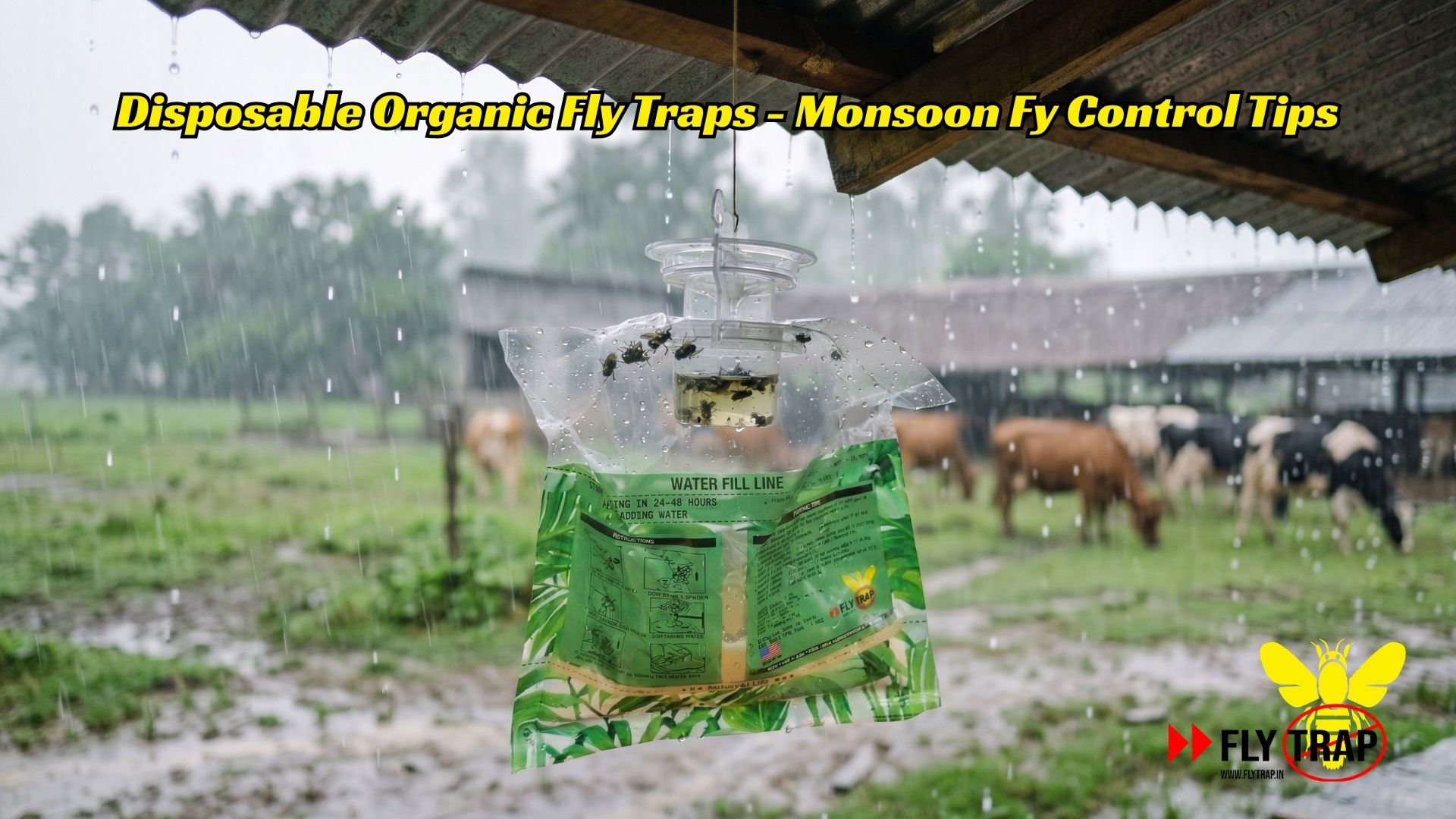
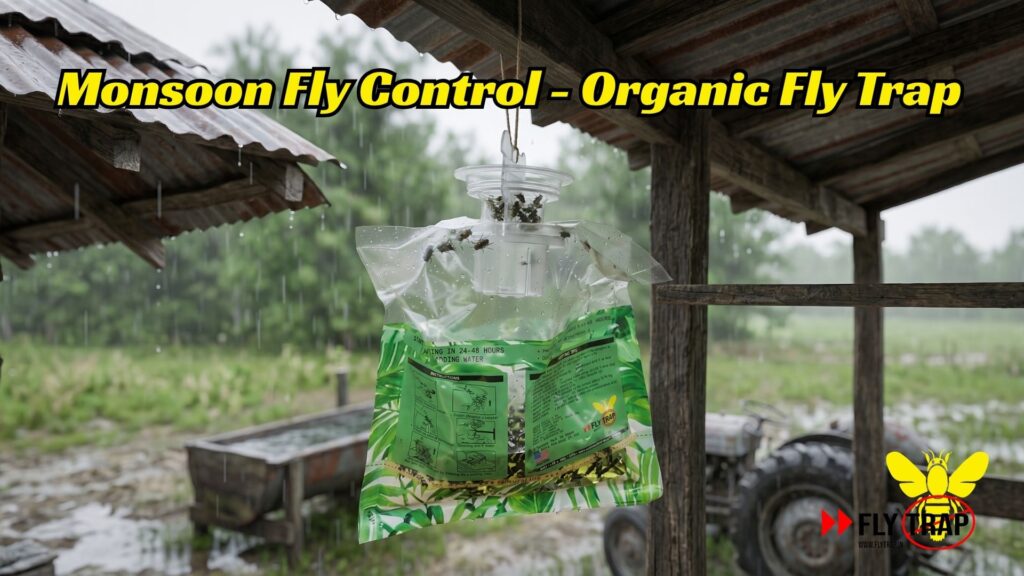
Quick Answer for Farm Owners: Monsoon is the single worst season for fly outbreaks. Warm, wet manure and standing water let flies breed in as little as seven days. The most effective monsoon fly control tips are to clear standing water daily, cover manure piles, and install odor-based organic perimeter traps before the first rains hit – not after. Add water, hang the bag in a sheltered spot, and let it pull flies away from your animals and stock.
Why Monsoon Triggers a Fly Explosion
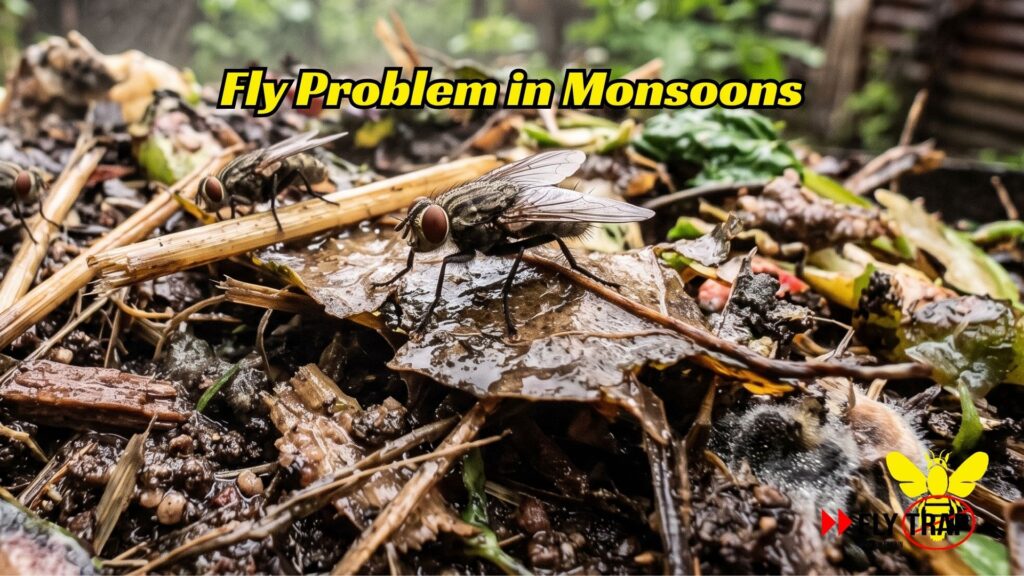
Every farm owner notices it the same way. The rains arrive, and within days, flies seem to appear from nowhere. This is not bad luck. It is biology. Research on fly larvae development conditions has found that nearly all egg-laying happens within a narrow band of roughly 27–37°C and around 60% relative humidity; exactly the conditions monsoon season creates across most of India. Combine that warmth with damp manure, wet feed, and pooling water, and you get a breeding ground that is almost perfectly engineered for flies.
This is why any list of monsoon fly control tips has to start before the clouds roll in, not after the shed is already swarming.
The Three Monsoon Conditions That Breed Flies
1. Standing Water
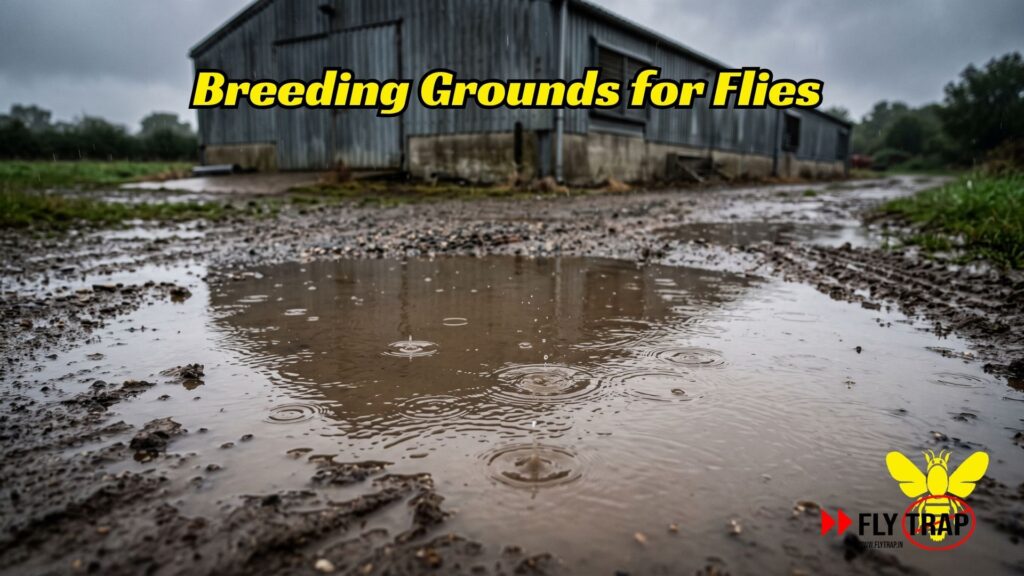
Puddles, blocked drains, and waterlogged bedding are prime fly nurseries. Even small pools near sheds or storage units can host thousands of larvae within a week.
2. Wet Manure and Organic Waste
Damp manure heaps are the single biggest fly breeding site on any farm. Monsoon humidity keeps these piles moist for far longer than in summer, extending the breeding window. Our guide on how flies transmit diseases in livestock covers why this matters beyond just nuisance.
3. Increased Humidity Indoors
Silkworms sheds, poultry sheds, dairy barns, horse stable, and storage godowns trap humidity during monsoon. This indoor moisture means flies no longer need to venture far to find breeding conditions – they multiply right where your animals or stock are kept.
7 Practical Monsoon Fly Control Tips
- Fix drainage before the rains start. Clear gutters, unblock drains, and grade the ground away from sheds so water cannot pool.
- Remove manure every 24–48 hours. Do not let waste sit and soak. Frequent removal breaks the fly life cycle before eggs hatch.
- Cover feed and organic waste. Wet feed left uncovered is an open invitation. Store it under cover and away from shed walls.
- Ventilate enclosed spaces. Better airflow lowers indoor humidity and makes sheds less hospitable for breeding flies.
- Install perimeter traps early. Odor-based organic traps hung along the farm boundary intercept flies before they reach your animals. This is the same perimeter principle used in perimeter fly control for resorts and large food processing sites.
- Avoid chemical sprays in wet weather. Rain washes away chemical residue fast, meaning you pay for protection that lasts only hours. Flies also build resistance to repeated spraying over time.
- Monitor daily during peak monsoon months. Fly populations can double within a week under monsoon conditions, so early inspection catches an outbreak before it spreads through the whole farm.
For dairy operations specifically, monsoon fly pressure is closely tied to milk yield. See our detailed breakdown of flies in dairy farms and milk yield loss for the numbers.
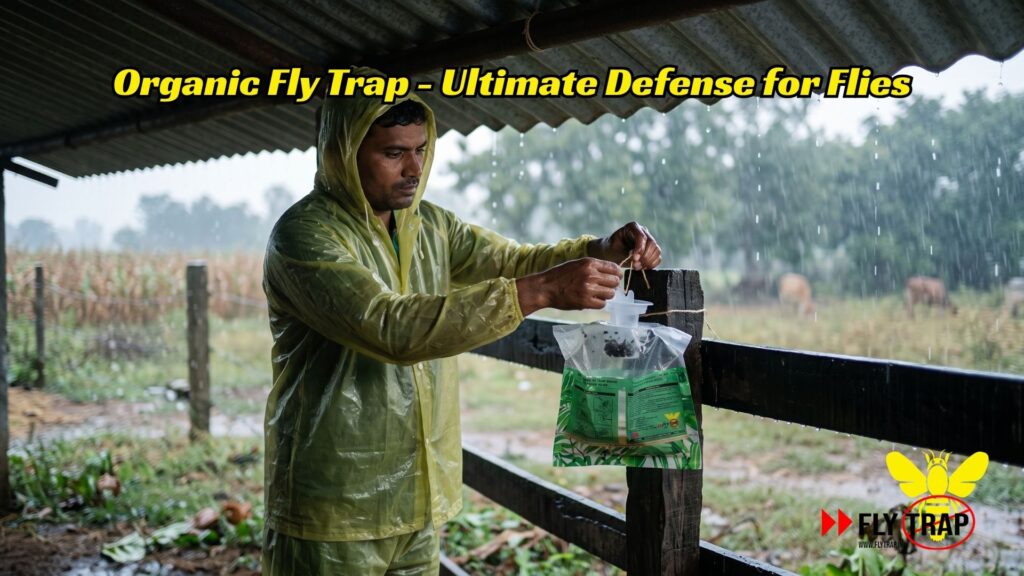
Why Organic Traps Work Better in Monsoon Than Chemicals
Chemical sprays underperform in monsoon for a simple reason: rain and humidity break them down quickly, forcing constant reapplication. Organic disposable traps do not have this problem. They use a water-activated odor bait that keeps working through wet weather, since the moisture in the air does not wash away the attractant sealed inside the bag. This makes them one of the more reliable monsoon fly control tips for farms that cannot afford to respray every two days. It also aligns with the broader shift toward sustainable fly pest management for livestock that most Indian farms are now adopting.
Poultry and dairy operations face the sharpest monsoon spike. If you run a poultry shed, pair these tips with our dedicated guide on fly control for food processing and poultry units for a full-season plan.
Buy Monsoon-Ready Fly Traps Today
Do not wait for the first outbreak to act. Stock up before the rains and keep your perimeter defense running through the season.
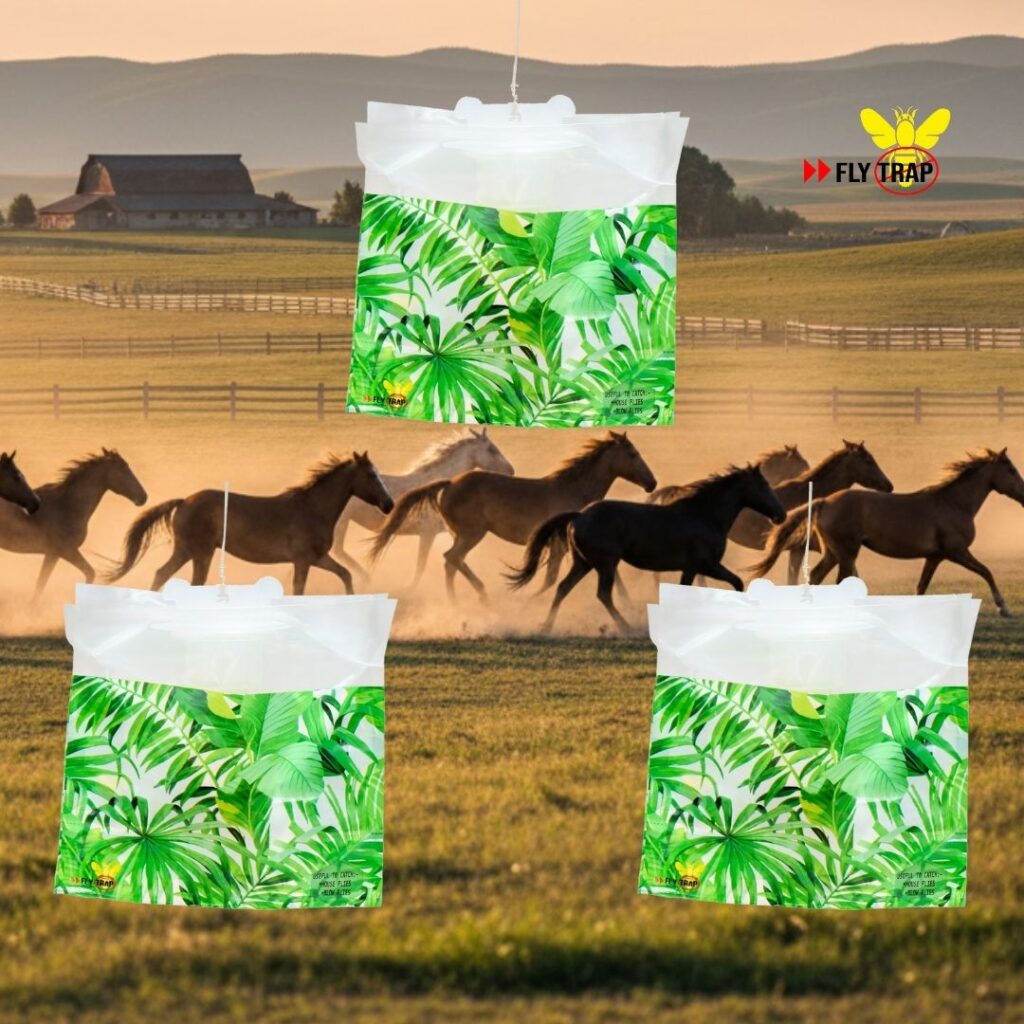
- Fly Trap Set of 12 – Organic, Non-Toxic Fly Control for Farm
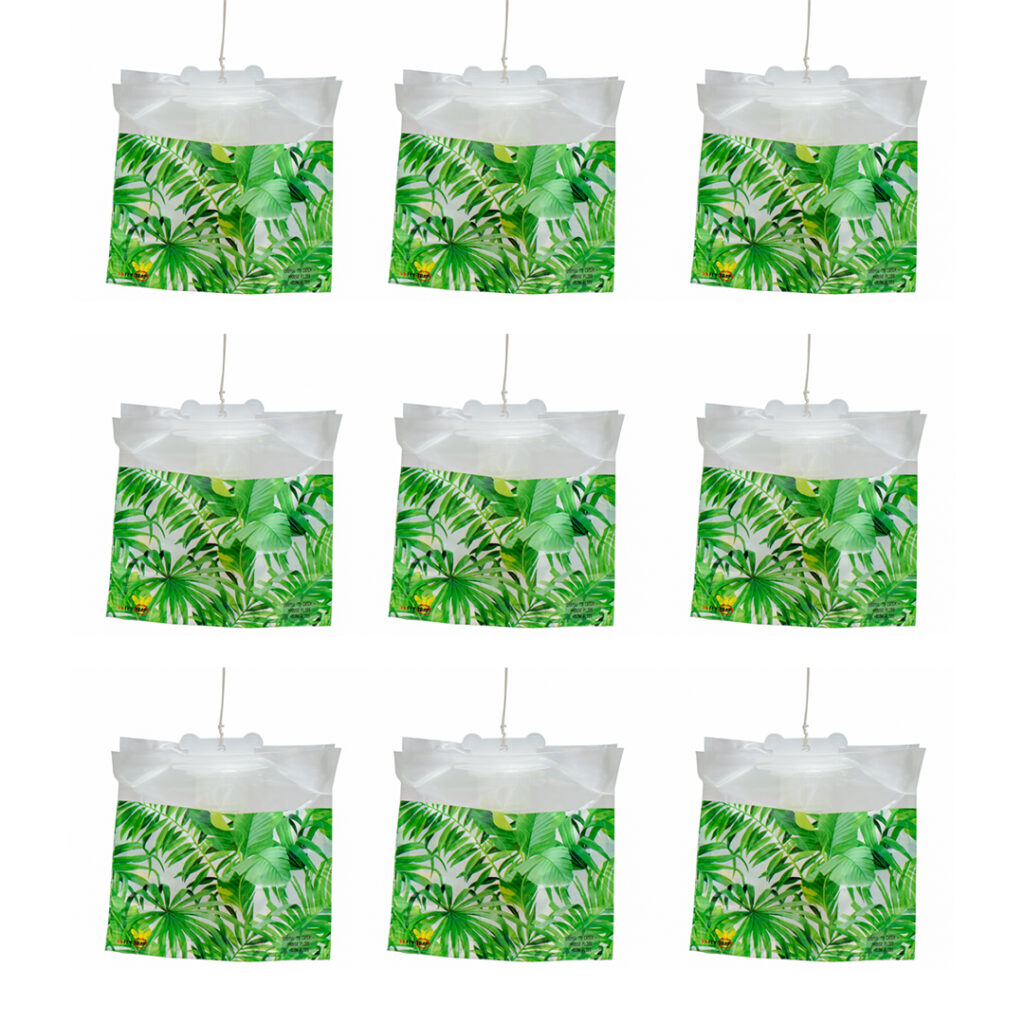
- House fly Trap Set of 9
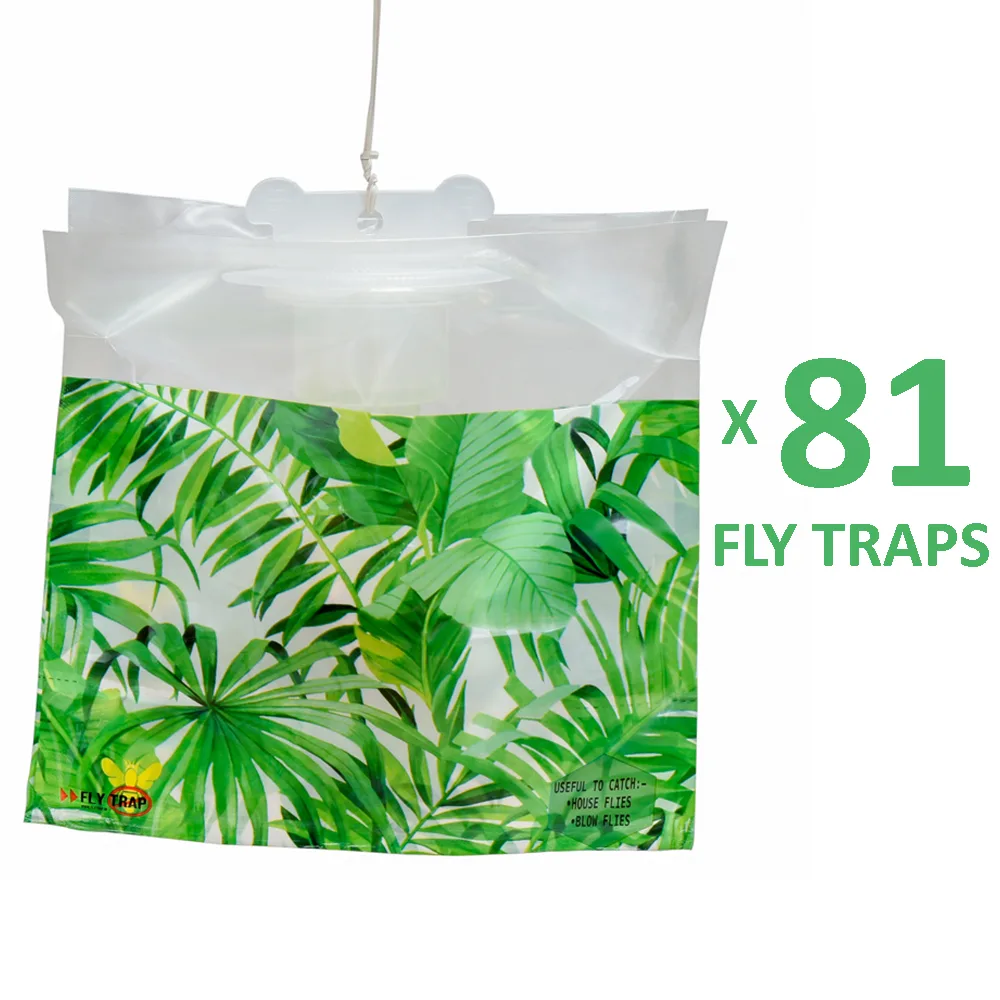
- Organic Disposable Fly Trap Bag Box of 81
Products by Category
-
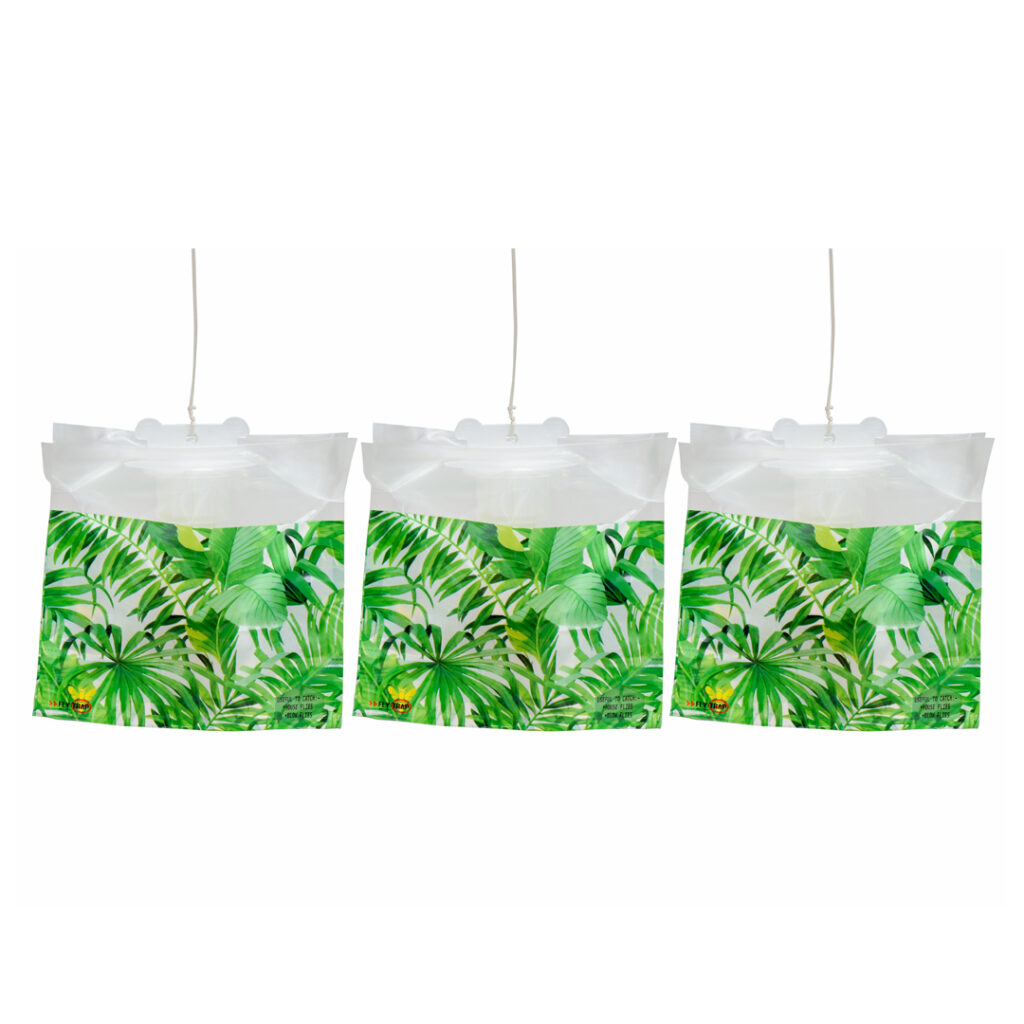
Disposable Fly Trap Set of 3
Original price was: ₹ 999.00.₹ 725.00Current price is: ₹ 725.00. Incl. GST -
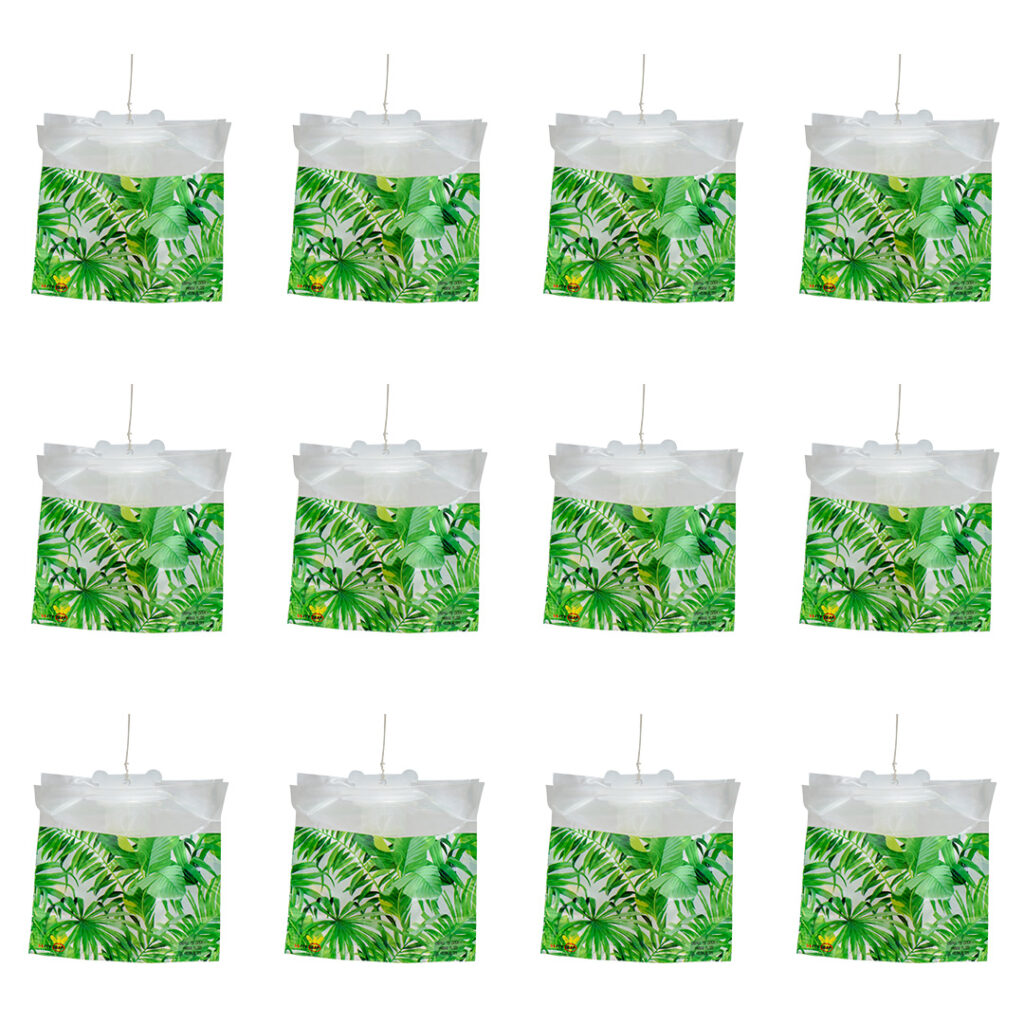
Fly Trap Set of 12 – Organic, Non-Toxic Fly Control for Farm
Original price was: ₹ 3,499.00.₹ 2,599.00Current price is: ₹ 2,599.00. Incl. GST -
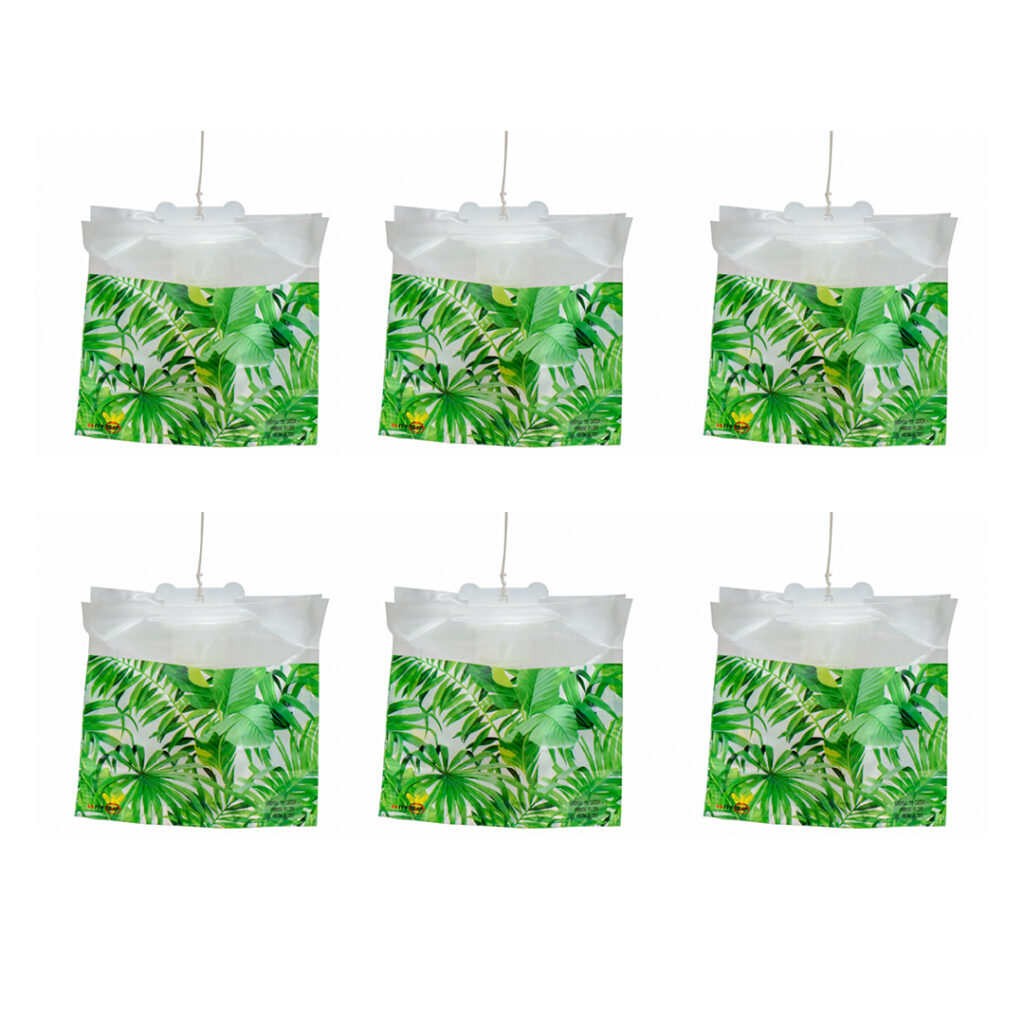
FlyTrap Disposable Fly Trap Set of 6
Original price was: ₹ 1,999.00.₹ 1,399.00Current price is: ₹ 1,399.00. Incl. GST -
Horse Fly Trap Set of 3 – Organic & Effective Protection for Your Horses
Original price was: ₹ 999.00.₹ 725.00Current price is: ₹ 725.00. Incl. GST -
House fly Trap Set of 9
Original price was: ₹ 2,999.00.₹ 2,049.00Current price is: ₹ 2,049.00. Incl. GST -
Organic Disposable Fly Trap Bag Box of 81
Original price was: ₹ 26,999.00.₹ 16,999.00Current price is: ₹ 16,999.00. Incl. GST
Monsoon Fly Control FAQ
Why do flies increase so much during monsoon? Warm temperatures combined with high humidity let flies complete their egg-to-adult cycle in about a week, far faster than in dry conditions. Standing water and wet manure add breeding sites that simply do not exist in the dry season.
Do organic fly traps work in the rain? Yes. Hang them under a shed roof, awning, or covered boundary post so the bag itself stays dry while the odor bait still draws flies in from a distance.
How often should I replace traps during monsoon? Check traps every few days. Monsoon fly pressure is higher than any other season, so bags fill faster and need replacing sooner than in summer or winter.
Is chemical spraying a good monsoon fly control tip? No. Rain washes away chemical residue within hours, and flies can build resistance to repeated spraying. Organic perimeter traps are more consistent through wet weather.
Where should I place traps for the best results? Along the outer boundary of the farm, roughly 30 feet from sheds or animal housing, and about four feet off the ground under cover from direct rain.
Protect your farm before the season turns. To order in bulk, call/WhatsApp us at +91-9811000194 for wholesale pricing.