Posted on

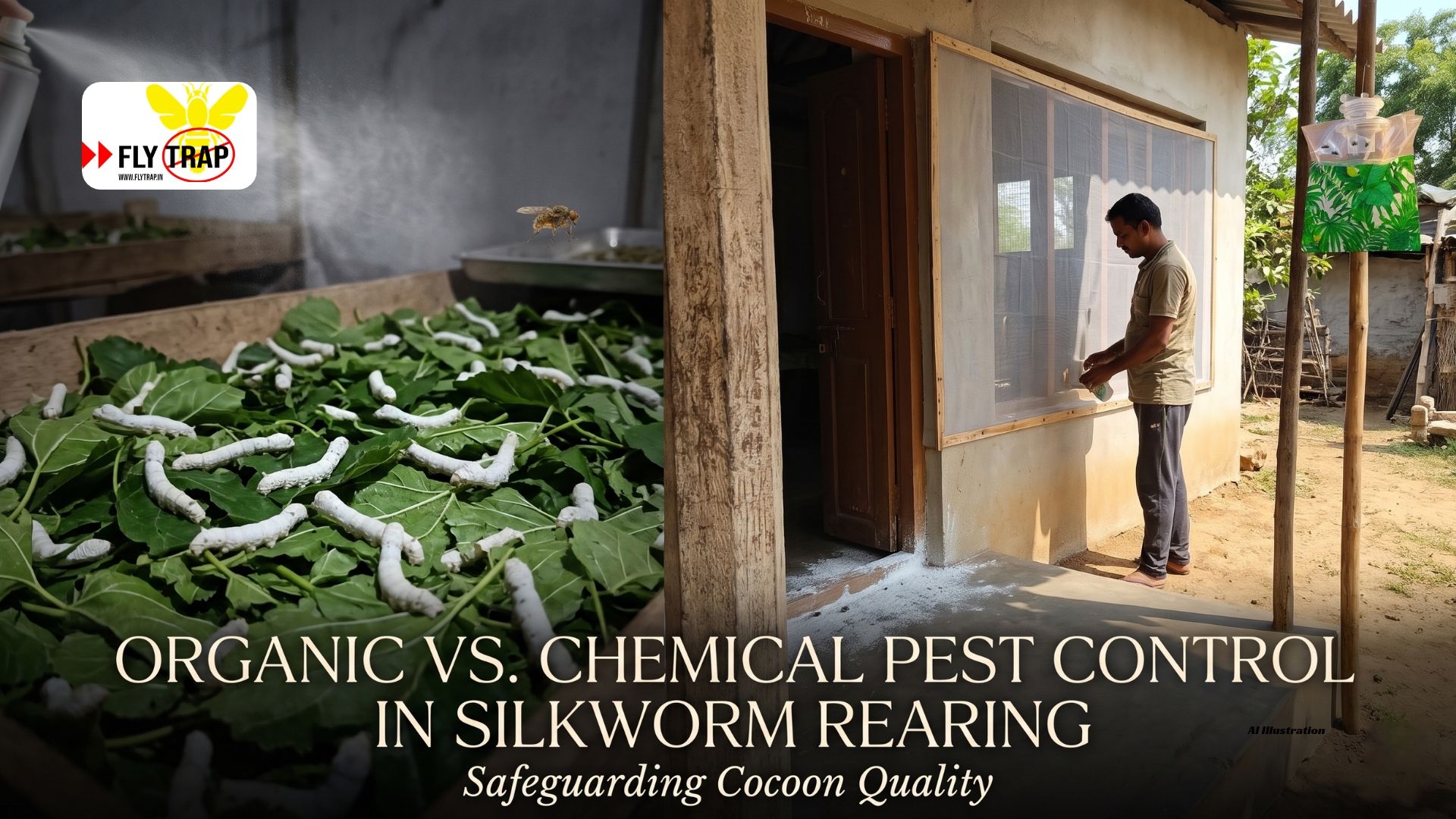
Organic vs. Chemical Pest Control in Silkworm Rearing: Safeguarding Cocoon Quality

Organic vs. Chemical Pest Control in Silkworm Rearing

In commercial agriculture, reaching for a chemical insecticide when pests invade is often standard practice. In sericulture, however, this instinct can be catastrophic.

The silkworm (Bombyx mori) is not merely a farm animal- it is an insect. Because the silkworm shares nearly identical physiological pathways, nervous system architecture, and metabolic processes with common agricultural pests, any broad-spectrum insecticide capable of killing pest flies or beetles will kill your silkworms with equal or greater potency.

Continue reading Organic vs. Chemical Pest Control in Silkworm Rearing: Safeguarding Cocoon Quality
Posted on

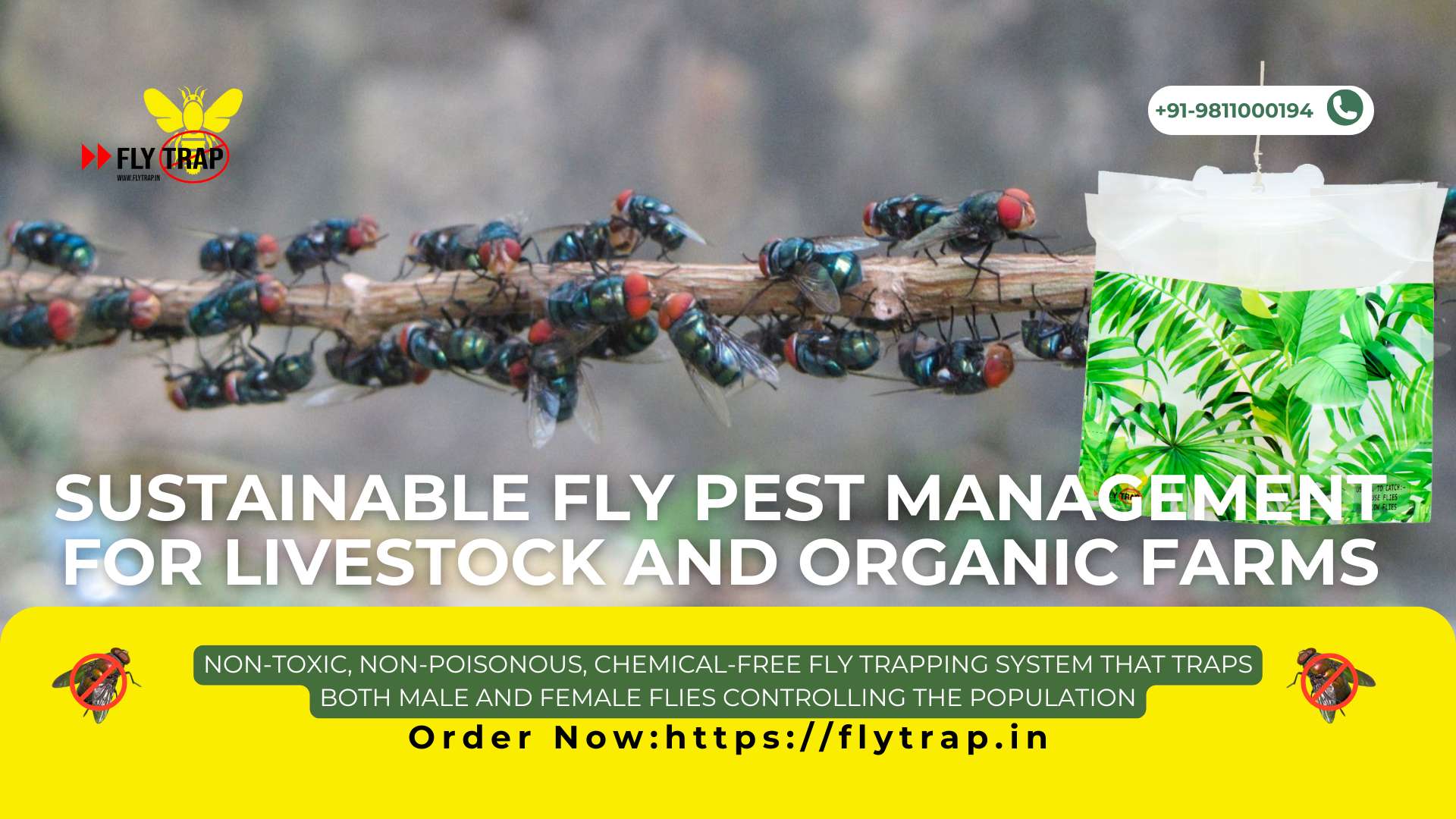
Sustainable Fly Pest Management for Livestock and Organic Farms

Sustainable Fly Pest Management for Livestock and Organic Farms

Flies are small insects, but they create big problems. The house fly (Musca domestica) is found all over the world. It lives in dirty, microbe-rich places and spreads many diseases. Flies can carry bacteria, viruses, parasites, and fungi on their body and in their waste. They can fly 1–2 miles in a day and sometimes as far as 20 miles, spreading germs wherever they go. Because of this, flies are a serious concern for public health, animal health, food safety, and farm productivity. And with this, fly pest management becomes crucial for livestock and farms.

Continue reading Sustainable Fly Pest Management for Livestock and Organic Farms